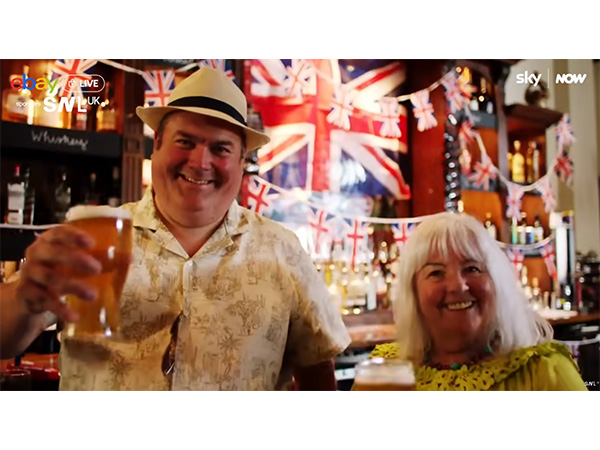


If you find yourself in a pub, reading this on your mobile phone, congratulations: you’re not only managing to survive the perennial gloom of January but also offering your support in what is probably the most challenging time of the year for the hospitality sector. For those not familiar with it, we find ourselves in the midst of Dry January, a concept pioneered by Alcohol Change UK back in 2013. The idea is simple: give up alcohol for a month.
In theory, it’s a noble undertaking. A sort of annual retreat for the liver, a detoxification of the soul, and a chance to be one of those people who smugly declares, “I’m doing Dry January,” as if this will somehow grant them sainthood. Here’s where the rub comes in: for all its good intentions, Dry January has become an unintentional crisis for the hospitality industry.
If you’re at home, reading this in the comfort of your own living room, let me propose a solution: don your coat and pop down to the local for a quick pint – or if you’re really committed to this detox, a non-alcoholic beer, which, by the way, have improved immeasurably in recent years
This is not just about enjoying a drink. It’s about saving the very essence of British pub culture. If pubs are going to survive the crushing weight of January, they need your support. Non-alcoholic options are no longer the embarrassing, half-hearted, watered-down options they once were. They’re rather good and a reasonable substitute for a pint – if you absolutely must remain resolutely dry for the month. But let’s face it, you don’t want to be that person who looks back later in the year and realises they didn’t visit the pub once during Dry January, and now, the place is closed for good